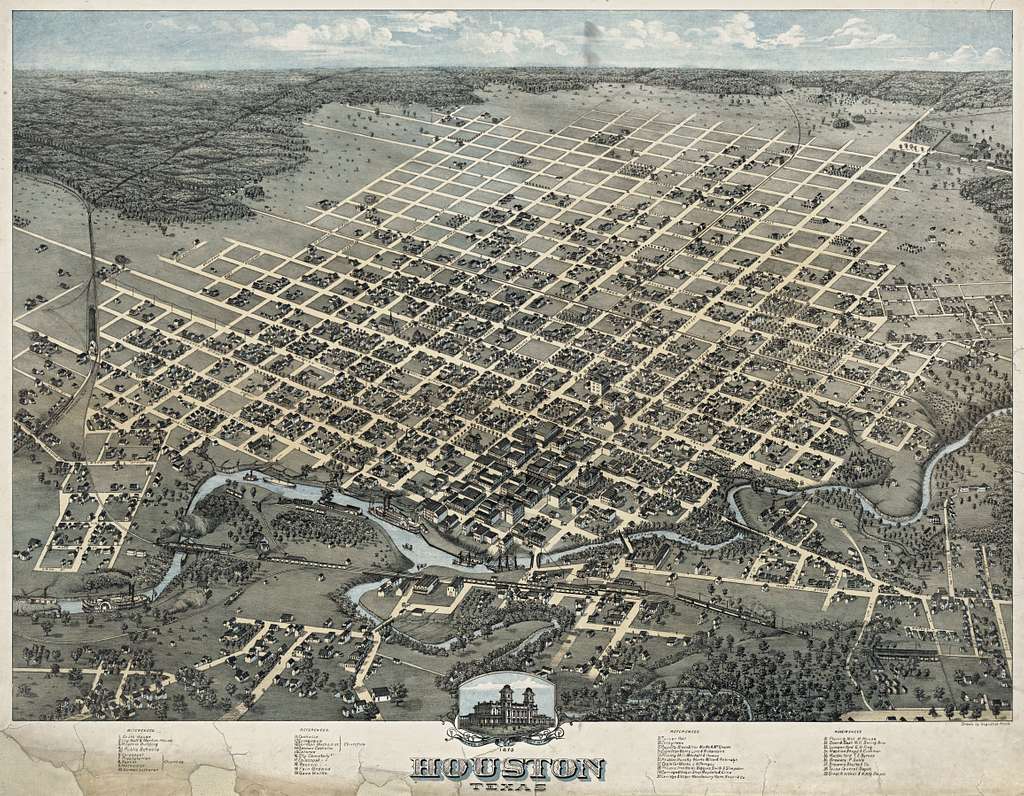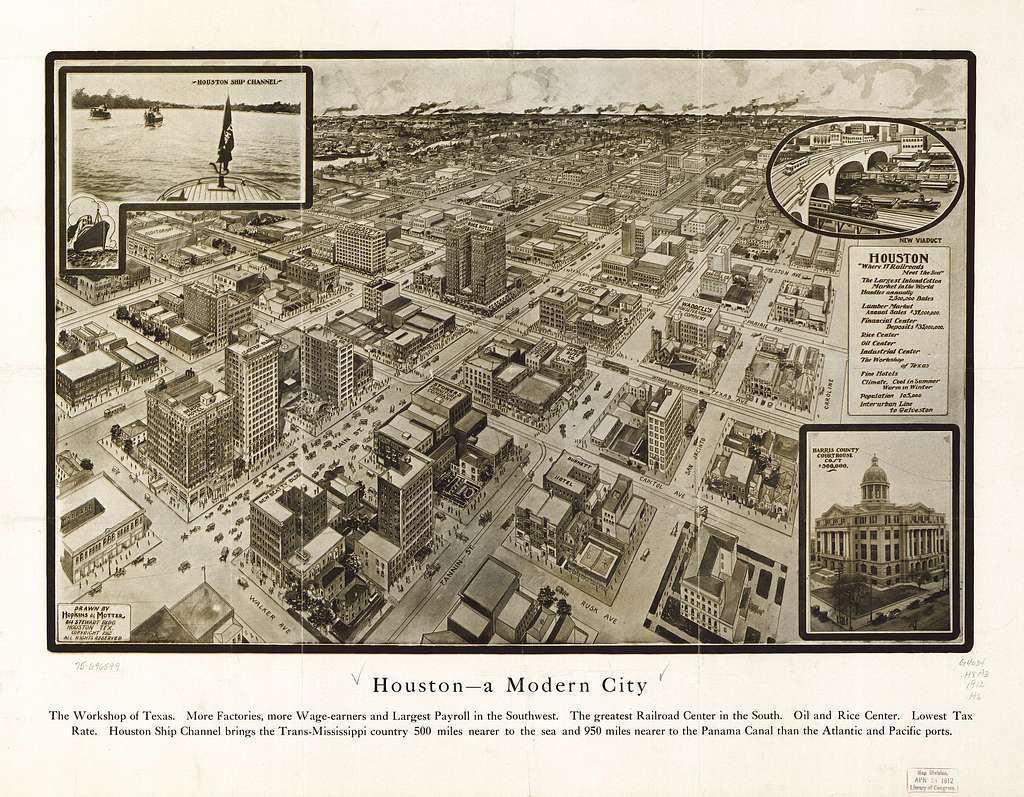
Houston, the largest city in Texas and the fourth largest in the United States, is a vibrant metropolis known for its diverse culture, booming economy, and rich history. This article explores the fascinating history of Houston from its early beginnings to its current status as a global city.
Early History: Native Americans and European Explorers
Before European settlers arrived, the Houston area was inhabited by various Native American tribes, including the Karankawa, Akokisa, and Atakapa. These tribes lived off the land, relying on hunting, fishing, and gathering for sustenance.
The first European to explore the region was Spanish explorer Alonso Álvarez de Pineda in 1519, who mapped the Gulf Coast. However, it wasn’t until the early 19th century that the area saw significant European settlement.
Founding of Houston: The Allen Brothers’ Vision
Houston was founded on August 30, 1836, by brothers Augustus Chapman Allen and John Kirby Allen. They purchased 6,642 acres of land along the banks of Buffalo Bayou with the vision of creating a thriving city. Named after General Sam Houston, who had led the Texan Army to victory at the Battle of San Jacinto earlier that year, the city was officially incorporated on June 5, 1837.
The Allen brothers marketed Houston aggressively, promoting its strategic location as a port and trading center. Despite initial challenges such as disease and floods, the city began to grow, attracting settlers and businesses.